
Introduction
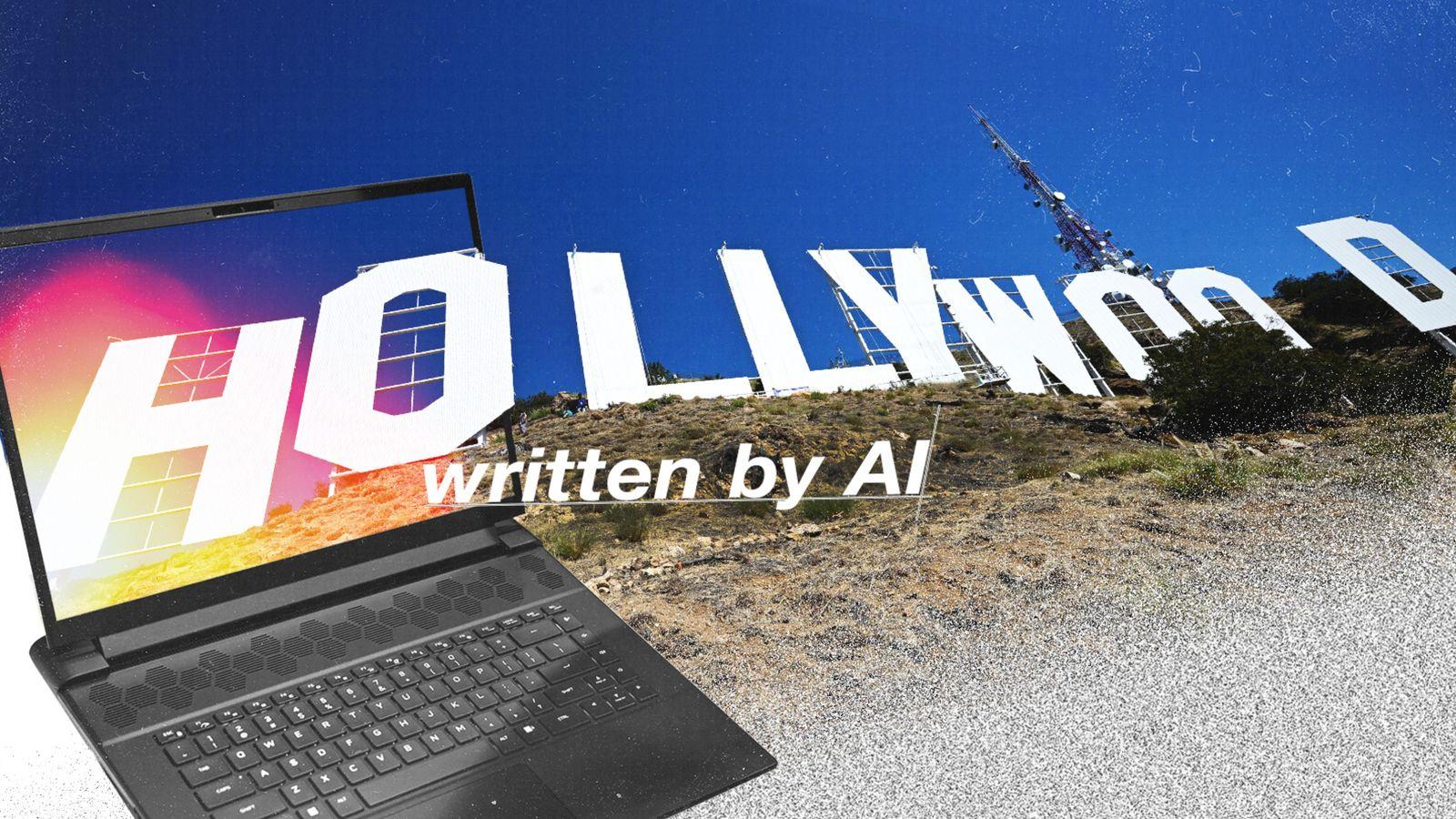
Hollywood has always been driven by innovation. From silent black-and-white films to advanced CGI blockbusters, technology has continuously transformed the movie industry. Today, a new revolution is reshaping entertainment faster than ever before — Artificial Intelligence (AI).
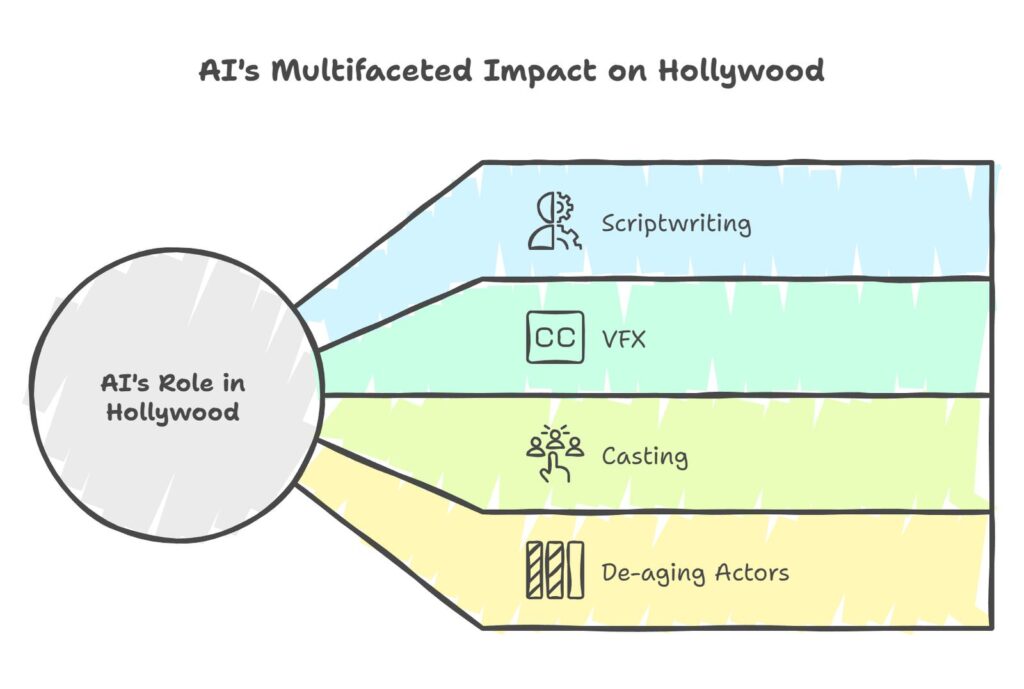
AI is no longer just a science-fiction concept seen in movies. It has become a real tool used by filmmakers, editors, studios, streaming platforms, and visual effects artists. From scriptwriting assistance to realistic digital actors, AI is changing how movies are created, marketed, and experienced worldwide.
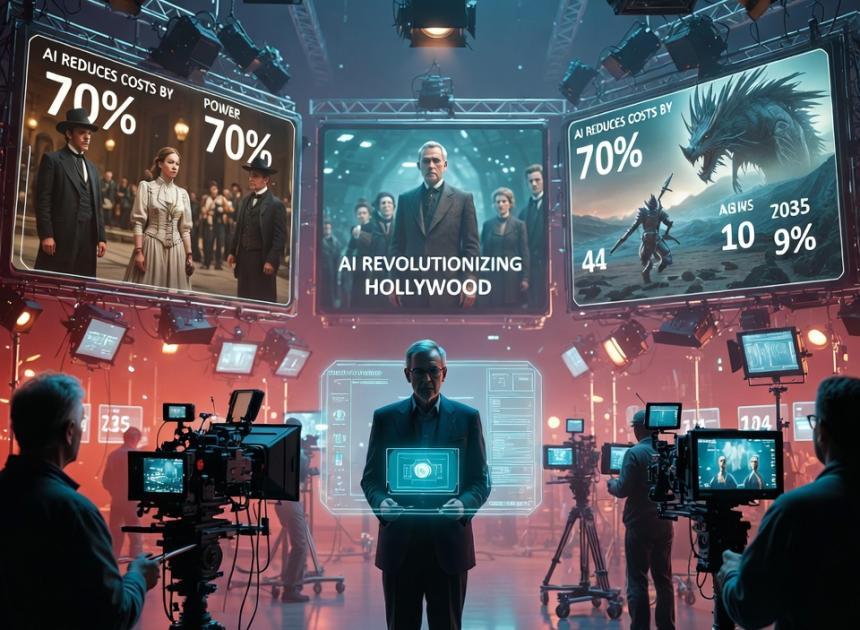
As the entertainment industry enters the AI era, Hollywood is experiencing one of its biggest technological transformations in history.
How AI Is Being Used in Hollywood
1. AI-Powered Scriptwriting
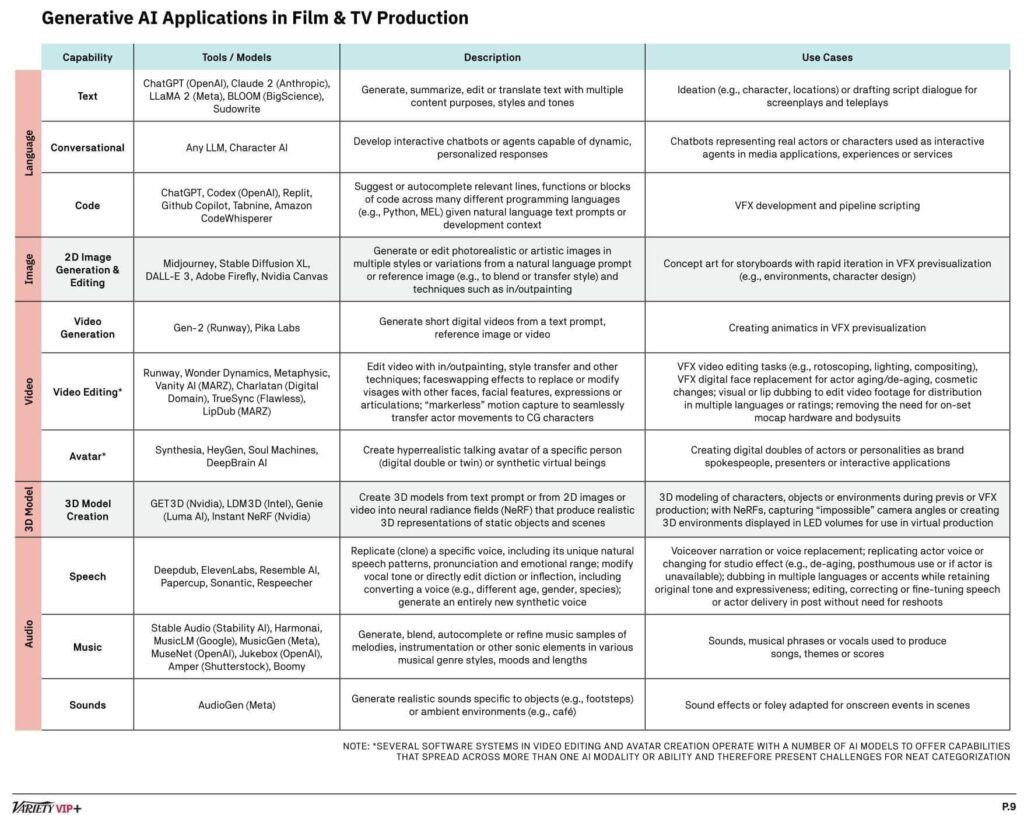
One of the most surprising developments in Hollywood is AI-assisted scriptwriting. Advanced AI systems can now analyze thousands of successful movie scripts to identify storytelling patterns, emotional pacing, dialogue structures, and audience preferences.
Writers use AI tools to:
- Generate story ideas
- Improve dialogue
- Create character backgrounds
- Analyze pacing and emotional impact
- Predict audience engagement
Although AI cannot fully replace human creativity, it helps writers speed up the creative process and overcome writer’s block.
2. AI in Visual Effects (VFX)
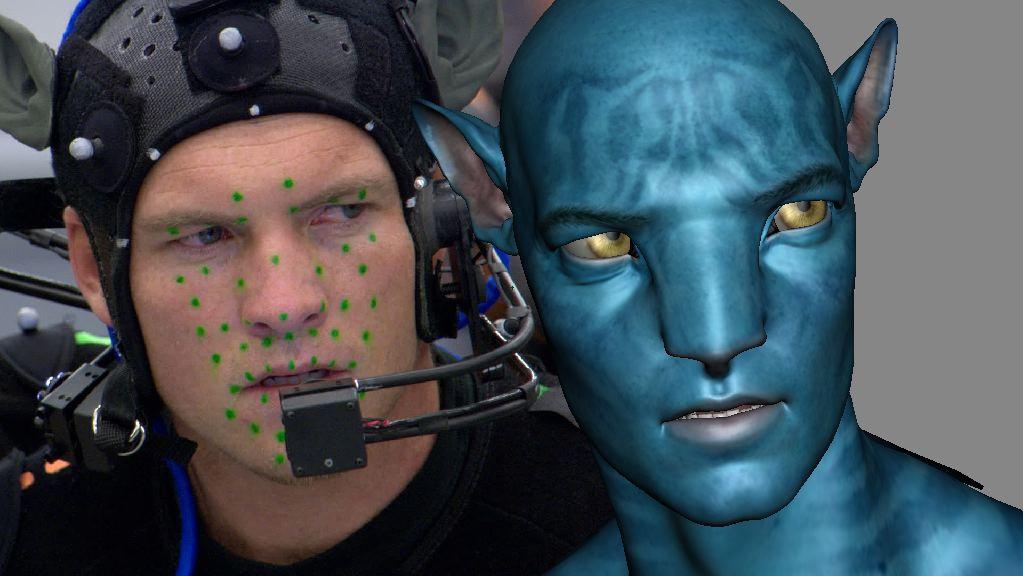
Visual effects have become one of the most expensive and important parts of modern filmmaking. AI now helps studios create realistic effects much faster and more efficiently.
AI tools are used for:
- Face replacement
- De-aging actors
- Background generation
- Motion tracking
- CGI animation
- Deepfake technology
- Realistic crowd simulations
Movies can now create entire digital environments without building expensive physical sets.
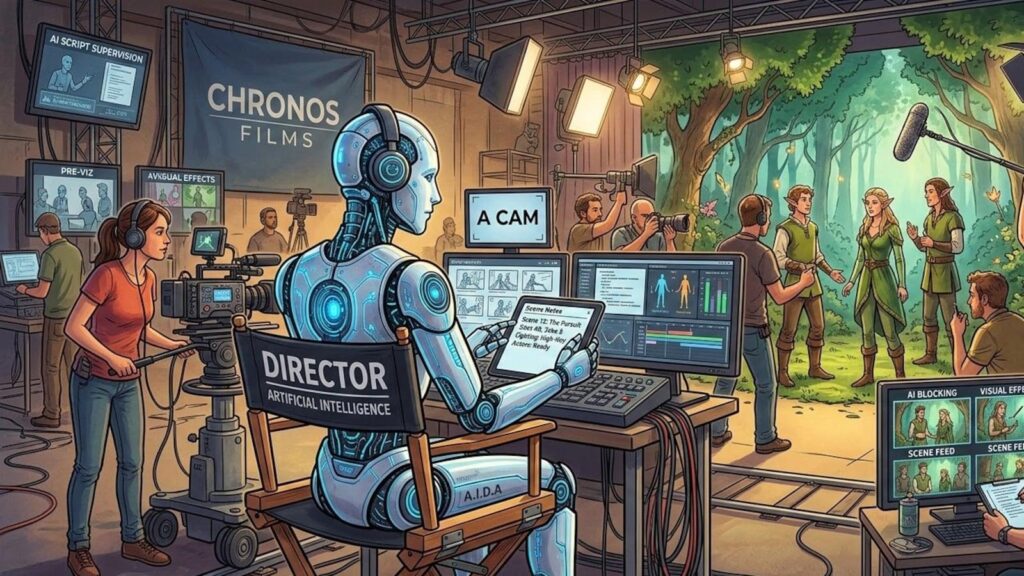
One major example is virtual production technology used in modern sci-fi and fantasy films. Massive LED walls combined with AI-generated environments allow actors to perform inside realistic digital worlds in real time.
AI and Digital Actors
AI has introduced the possibility of creating fully digital actors. Studios can now recreate younger versions of actors, digitally revive deceased performers, or generate realistic CGI humans.
This technology has already appeared in several blockbuster films where actors were digitally de-aged for flashback scenes.
However, this has also created ethical concerns:
- Who owns a digital likeness?
- Can studios recreate actors without permission?
- Will AI eventually replace human performers?
Hollywood unions and actors are actively discussing laws and protections regarding AI-generated performances.
Streaming Platforms and AI Recommendations
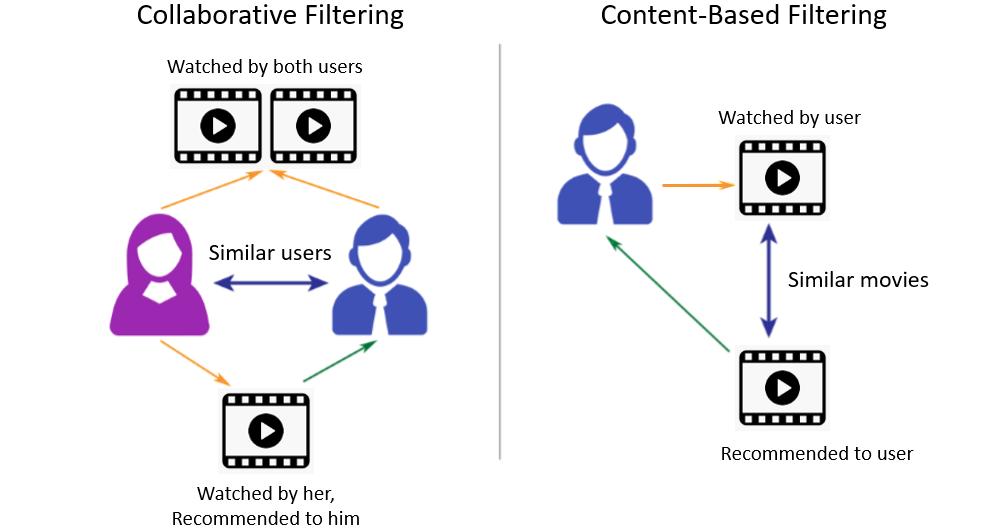
Streaming services heavily depend on AI algorithms to keep viewers engaged.
Platforms analyze:
- Watch history
- Viewing time
- Favorite genres
- Search habits
- User ratings
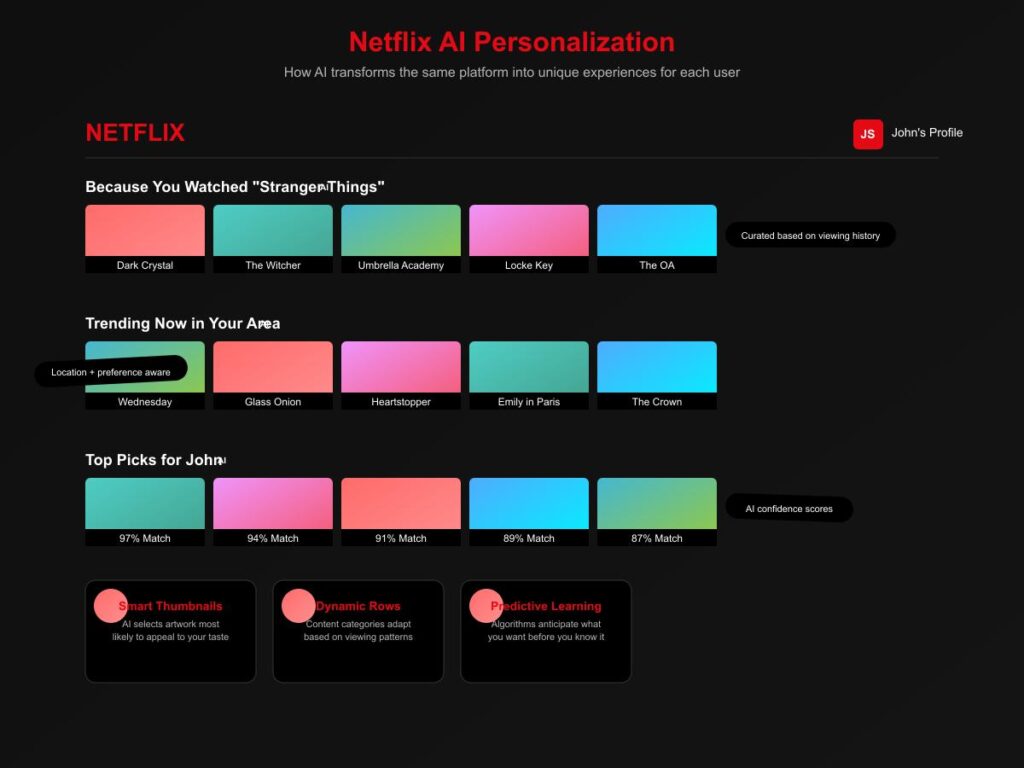
This data allows AI systems to recommend personalized content for each viewer.
For example, two people opening the same streaming app may see completely different movie recommendations based on their viewing habits.
AI also helps streaming companies:
- Predict trending genres
- Decide which shows to produce
- Optimize thumbnails and trailers
- Improve viewer retention
This is one reason streaming platforms have become so addictive and successful globally.

AI in Movie Marketing
Marketing has become smarter because of AI.
Studios now use AI to:
- Analyze social media trends
- Predict box office success
- Target advertisements
- Create personalized trailers
- Monitor audience reactions online
AI tools can study millions of comments and reactions across social media platforms to understand audience sentiment before and after movie releases.
This helps studios improve marketing campaigns and maximize profits.
The Controversy Around AI in Hollywood
While AI offers exciting possibilities, it also creates major concerns within the entertainment industry.
Concerns Include:
- Job replacement fears
- Reduced opportunities for writers and artists
- Ethical use of actor likeness
- Copyright issues
- Deepfake misuse
- Creative originality concerns
Hollywood writers and actors have already protested against uncontrolled AI usage in filmmaking.
Many believe AI should be used as a supportive tool rather than a replacement for human creativity.
Can AI Replace Human Creativity?
Despite rapid technological progress, AI still struggles with emotional storytelling, originality, and authentic human experiences.
Great movies connect emotionally with audiences because of human imagination, life experiences, and artistic vision.
AI can assist filmmakers, but emotions, creativity, humor, and storytelling depth still come from humans.
Most experts believe the future of Hollywood will involve collaboration between AI technology and human creators.
The Future of AI in Entertainment
The future of Hollywood could include:
- Fully AI-generated animated films
- Personalized movie experiences
- Virtual actors
- AI-assisted editing
- Faster movie production
- Interactive storytelling
- Real-time visual effects generation
As AI technology continues evolving, entertainment will become more immersive and personalized than ever before.
Hollywood is entering a completely new digital era.
Final Thoughts
Artificial Intelligence is transforming Hollywood in ways once imagined only in science fiction movies. From scriptwriting and visual effects to marketing and streaming recommendations, AI is becoming deeply integrated into the entertainment industry.
While challenges and ethical debates continue, one thing is clear — AI is not just the future of Hollywood; it is already part of the present.
The movie industry will continue evolving as technology advances, but storytelling and human creativity will always remain at the heart of great cinema.